
Superfoods aren’t just trendy; they come packed with nutrients that can truly help boost my immune system and keep me feeling healthy year-round. I’m always searching for straightforward ways to keep my body’s defenses up, especially during cold weather or those hectic weeks. Fortunately, many of the best immune-boosting foods are regulars at the grocery store, so even small shifts in my meals can make a noticeable difference. Let’s check out some of my go-to superfoods that you might want to work into your own meals for an immune system pick-me-up.
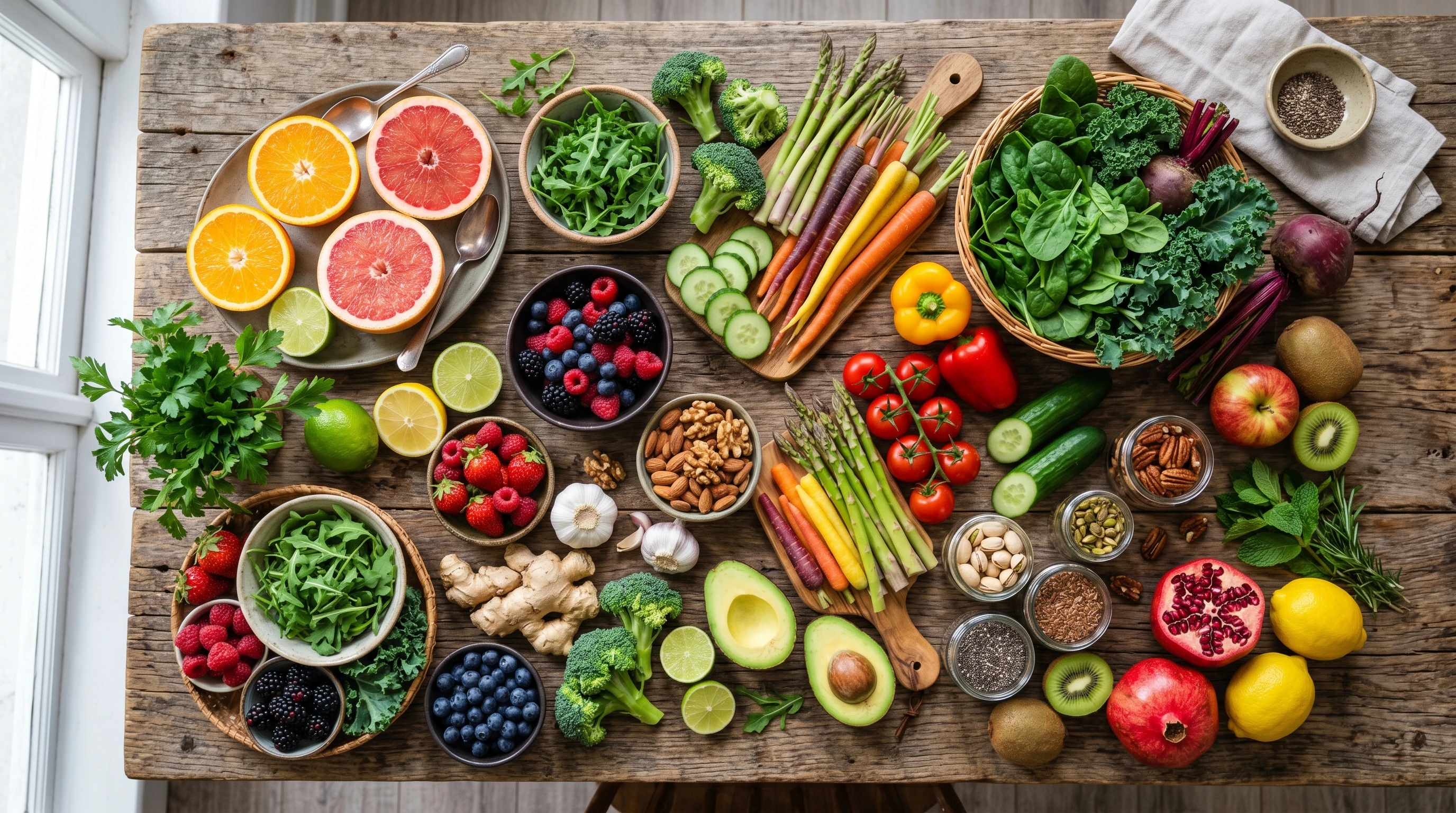
Why Superfoods Matter for Immunity
My immune system shields me from the germs, viruses, and bacteria I face every day. Supporting it with superfoods makes bouncing back from sickness easier and helps me feel better in general. Foods loaded with vitamins, minerals, healthy fats, and antioxidants work together to help my immunity from the inside out. Some nutrients support my white blood cells in doing their job, while others help fight oxidative stress or lower inflammation levels.
The best part? Most superfoods are easy to add to everyday meals. Tossing a handful of berries into breakfast or spinning some spinach into a smoothie can really give a boost to how strong and energetic I feel. Personally, I notice I get sick less often and have steadier energy when I make these foods part of my regular routine.
Getting Started: 10 Superfoods to Boost Your Immune System
Here are 10 superfoods that I find particularly helpful for keeping my immune system in good shape. I try to keep a rotating mix of these in my kitchen so I can use what fits my meals and moods throughout the week.
- Citrus Fruits: Oranges, lemons, grapefruits, and limes are brimming with vitamin C. Squeezing a lemon into water or grabbing an orange for a snack is a simple way to boost immunity.
- Spinach: Spinach is packed with vitamin C, antioxidants, and beta carotene. I enjoy it fresh in salads or quickly wilted into soups and pastas for extra nutrition without much fuss.
- Yogurt: Yogurt with live cultures brings friendly bacteria that support gut health and, in turn, immunity. I often go for plain Greek yogurt topped with berries for breakfast.
- Garlic: Garlic packs more than just flavor; it’s got allicin compounds that help my body fend off sickness. I add it to stir-fries, salad dressings, or roasted veggies whenever I can.
- Almonds: Almonds bring a solid dose of vitamin E, which is an antioxidant that helps defend the body. I snack on them or toss them into oatmeal and homemade granola for added crunch and nutrients.
- Broccoli: Broccoli isn’t just a classic; it’s rich in vitamins A, C, and E. I like it lightly steamed to hold onto its nutrients, or I toss it into noodle bowls and frittatas.
- Turmeric: The golden spice turmeric contains curcumin, a natural anti-inflammatory. I stir it into curries and soups, or whip up a golden milk latte for an immunity-boosting drink.
- Green Tea: Green tea overflows with flavonoids and EGCG, which work together to support my immune system and help my body fight off bacteria. Afternoon tea breaks have never felt more worthwhile.
- Red Bell Peppers: Surprisingly, red bell peppers have even more vitamin C than citrus fruits. Sliced as a crunchy snack or added to salads and egg dishes, they always brighten things up.
- Blueberries: Blueberries are my all-time favorite snack. High in anthocyanins, they supercharge my body’s defenses. Try them on yogurt, whisked into smoothies, or just by the handful.
Simple Ways to Add Superfoods to Meals
Incorporating superfoods into my daily rhythm turns out to be pretty straightforward. I love prepping ingredients ahead of time so it’s easy to build healthy meals even during hectic days. Here are some approaches I’ve found helpful:
- Prepare smoothie packs in advance: Portion out berries, spinach, and yogurt into freezer-safe bags. When I need a pick-me-up, I simply blend one with my favorite milk or juice.
- Top dishes with seeds and nuts: Adding pumpkin seeds, almonds, or sunflower seeds to oatmeal, salads, or pasta steps up both taste and nutrition.
- Mix superfoods into soups and stews: Garlic, spinach, and broccoli shine in hearty soups—perfect for a cozy, immune-boosting meal.
- Experiment with new drinks: Swapping coffee for green tea or mixing up a golden milk latte (with turmeric) is an easy way to give your day a nourishing twist.
After keeping up these habits for a few weeks, I notice more balanced energy, smoother digestion, and sometimes clearer skin. Even small tweaks create lasting benefits.
What to Watch Out For: Common Challenges With Superfoods
I’m enthusiastic about superfoods, but I’ve had to watch for a few stumbling blocks along the way. Here are some of the main ones I’ve run into and how I work through them:
- Cost: Fresh berries or leafy greens can get expensive, especially when out of season. Frozen options often cost less and are just as nutritious.
- Digestive changes: Amps in fiber, from foods like broccoli and spinach, can cause bloating if I go too quickly. I increase fiber bit by bit and drink extra water to keep things smooth.
- Food allergies: Nuts and dairy (such as yogurt) are frequent allergens. I easily swap in seeds or plantbased yogurts like coconut or almond yogurt for similar benefits.
- Balance: Overdoing a single superfood isn’t great. I try to bring in a variety, shifting what I eat so my body pulls nutrients from different sources.
I find that moving gradually, mixing things up, and eating a range of colors helps me sidestep most pitfalls and keeps my meals exciting.
Frozen vs. Fresh: What’s Better?
Frozen fruits and veggies are often just as nutritious—sometimes more so—because they’re picked and frozen right at their prime. I use frozen berries or spinach for smoothies and stews, preventing waste and extending my grocery dollar.
Supplements vs. Whole Foods
Supplements can help if I have a certain deficiency, but I prefer getting nutrients from real foods whenever possible. They come with fiber and natural compounds that my body uses for optimal health. If I’m not sure what I need, I check in with my doctor or a nutrition pro to steer me in the right direction.
Cool Features of Superfoods: Checking Out the Benefits
Superfoods aren’t miracle workers, but their nutrient combos are unmatched for daily wellness. Here’s why weaving them into my life matters:
- Antioxidant benefits: Blueberries and green tea, for instance, help protect cells from free radicals and the wear and tear of daily life.
- Anti-inflammatory powers: Turmeric, garlic, and leafy greens can calm inflammation, supporting overall immune strength.
- Gut health support: Yogurt and fermented foods fuel helpful gut bacteria, which play a key part in defending my body from illness.
- Loads of nutrients: Choosing a rainbow of foods brings in all sorts of vitamins, minerals, and plant nutrients my body needs for protection and recovery.
Looking at all these upsides, it’s easy to see why adding these foods makes my diet stronger and keeps me more resilient.
Frequently Asked Questions
I get a lot of questions about superfoods and how they link up with immunity. Here are a few I’ve answered for friends and family:
Question: Can I get all the nutrients I need just from superfoods?
Answer: Superfoods help fill nutritional gaps, but eating a good mix from all food groups is best for well-rounded health.
Question: How often should I eat these superfoods?
Answer: I aim to work several into my meals each week, making dishes that mix up flavors and cover lots of nutrient bases.
Question: Are there “bad” foods I should avoid to protect my immune system?
Answer: Limiting ultra-processed or sugary foods is useful—they can drain energy and take a toll on immunity. Getting most of my nutrition from whole, fresh foods supports my health best in the long run.
Wrapping Up: Plugging Superfoods Into Everyday Healthy Living
Supporting my immune system with superfoods is simpler than it may seem. Just a handful of swaps in my weekly meals goes a long way toward stronger health and fewer sick days. I try different superfoods and recipes, keeping things fun and flavorful so eating well never gets stale. Staying open to new foods and ideas helps me make healthy eating a rewarding, everyday habit—and my immune system always appreciates the extra backup!
If you have any questions about anything disscussed or how to boost your immune system I would be happy to discuss in the comment section below.